Introduction
A mattress for someone who spends most of the day in bed has to do more than support sleep. It needs to manage pressure, protect skin, control heat and moisture, and make repositioning manageable for whoever provides care.
Prolonged immobility raises the stakes. A 2018-2019 survey of nearly 300,000 U.S. hospital patients found 8.97% had a pressure injury, with critical-care units reporting rates as high as 14.32%. Those numbers reflect acute-care settings, not home use, but they show why skin risk deserves real attention before you pick a surface.
This guide compares the main mattress categories used for bedridden patients, explains which situations each one fits, and flags when a physician, wound-care nurse, or occupational therapist should be part of the decision.
Key Takeaways
- High-spec foam fits at-risk patients with intact skin; full immobility or high risk usually needs a powered surface.
- Alternating-pressure systems actively shift load and need clinical guidance when injuries already exist.
- Confirm weight capacity, bed fit, cover breathability, cleaning, noise, and side-rail compatibility before purchase.
- A mattress never replaces repositioning, skin checks, moisture control, and a care plan.
- Choose a supplier with guidance, maintenance, and warranty support through a U.S. distribution channel.
Overview of Mattresses for Bedridden Patients in the U.S. Home-Care and Healthcare Market
A therapeutic support surface is a purpose-built device for managing tissue load, skin microclimate, and related clinical functions. That's different from a standard consumer mattress, which assumes the sleeper can reposition without help.

Construction determines what a surface actually does:
- Foam layers distribute weight through immersion and envelopment (the mattress molds around the body).
- Air cells can stay static for support or cycle on and off to actively unload pressure points.
- Gel or hybrid layers blend stability with targeted pressure relief.
- Cover design affects moisture wicking, fluid resistance, and how easily the surface can be cleaned between uses.
Where a patient receives care changes how a surface gets sourced. Home DME suppliers, hospice agencies, skilled nursing facilities, hospitals, VA medical centers, and rental fleets each work through different purchasing and coverage rules.
A nursing home orders through its own procurement process, while a home hospice patient typically gets equipment through the hospice's supply arrangement.
None of that changes the core question, though. The "best" mattress depends on:
- Pressure-injury risk and any existing wounds
- Mobility and ability to assist with repositioning
- Body size and weight
- Bed frame type and articulation
- Caregiver capacity for setup and maintenance
- The clinical treatment plan already in place
Best Mattresses for Bedridden Patients
Before comparing categories, know what you're weighing:
- Pressure management
- Skin and moisture protection
- Bed-frame fit
- Durability and ease of cleaning
- Caregiver usability
- Fit with the patient's clinical picture
High-Specification Foam Mattress
High-density, high-resiliency foam spreads body weight over a larger surface area than a standard mattress. That makes it a reasonable prevention-focused option for patients with limited mobility whose skin is still intact.
Prius Healthcare's therapeutic foam line (the VLX, RLX, DLX, and ALX models) illustrates the range within this category. These are positioned for low-to-high-risk patients and can also be used with existing stage 1-4 pressure ulcers under a hospital's pressure-area-management policy.
The VLX, for example, pairs a full cold-cool viscoelastic top layer with a zoned comfort-foam middle and a heel-soft foot section, and supports up to 500 pounds.
Advantages:
- Runs quietly with no pump or electricity needed
- Simpler to maintain than powered systems
- Fits most adjustable hospital bed frames
- Foam-core warranties on this type of product often run 3 to 7 years
Watch for:
- Heat retention with lower-quality foam
- Compression over time ("bottoming out")
- Weight-capacity limits that vary significantly by model
Memory-Foam or Contouring Foam Mattress
Contouring foam cushions bony areas like shoulders, hips, and heels while a patient holds a fixed position for extended periods. That improves comfort and pressure distribution, but contouring foam alone doesn't prevent or treat pressure injuries.
Before buying, verify:
- Foam density - denser foam generally resists bottoming out longer
- Cover breathability - look for vapor-permeable, moisture-managing fabric
- Fire and fluid-resistance compliance - check for Federal Standard 16 CFR 1632/1633 compliance where applicable
- Thickness and bed-frame fit - confirm the mattress works with the bed's articulation points and side rails
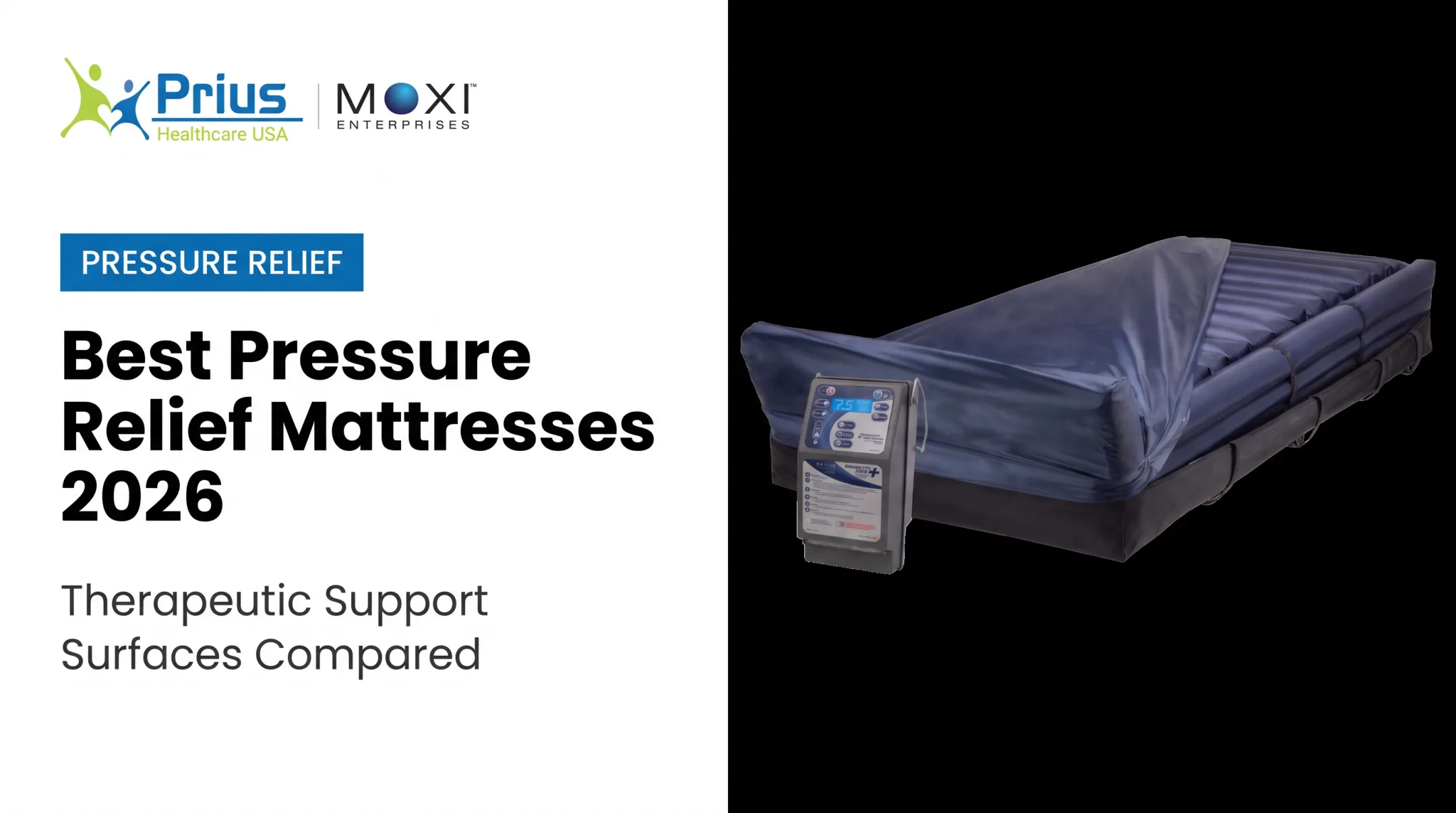
Alternating-Pressure Air Mattress
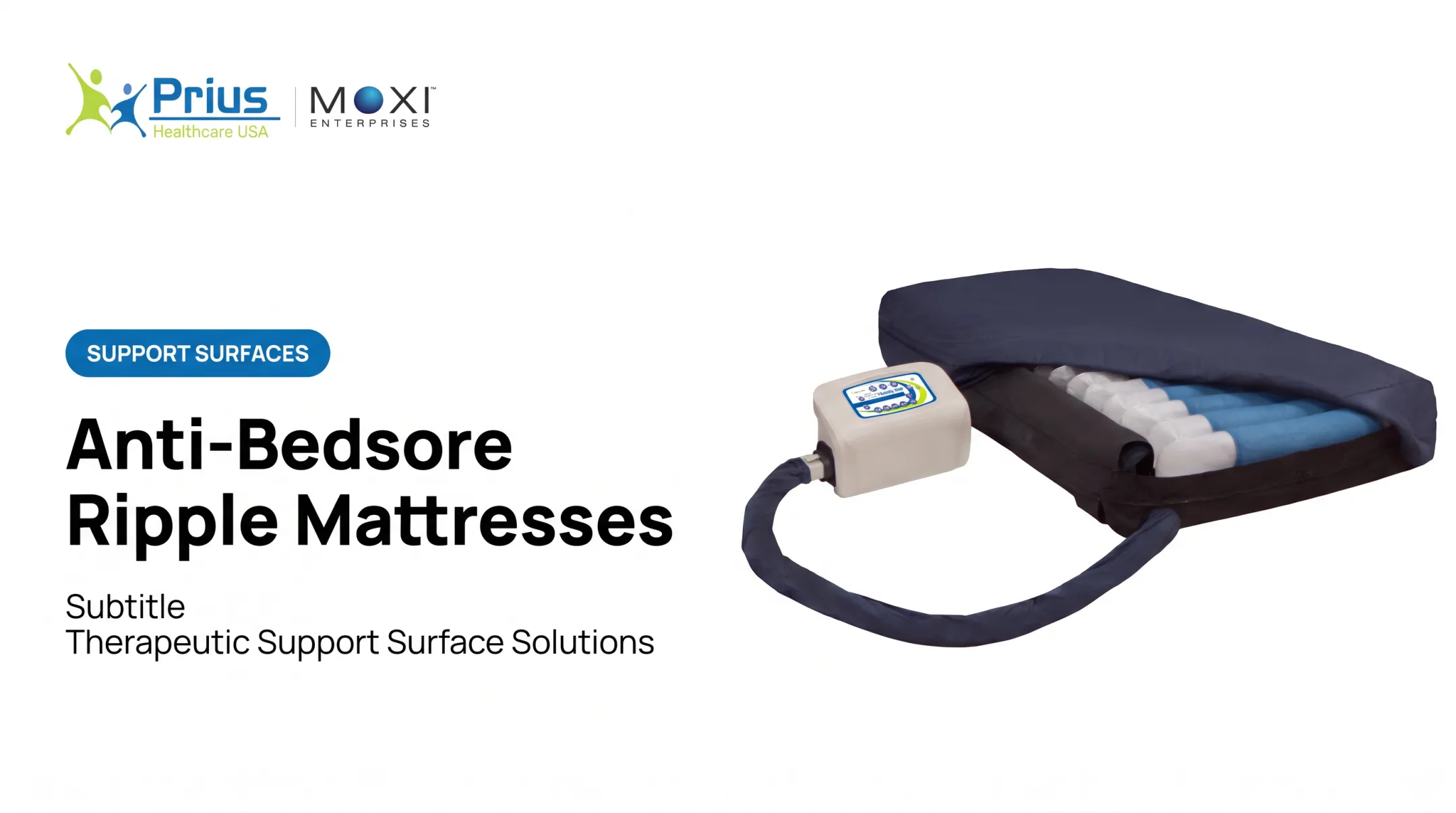
Powered air cells inflate and deflate in cycles, physically moving pressure away from targeted areas of the body. This active approach can suit very high-risk or fully immobile patients when a clinician recommends it.
A 2021 Cochrane network analysis found fewer new pressure injuries with alternating air compared to foam (RR 0.63), though the evidence was rated low certainty. That's a meaningful signal, not a guarantee, and it doesn't establish which specific air design works best for every patient.

Products in this space vary in how they cycle. The Duet Mattress System, for instance, uses an Auto Set feature that calculates optimal pressure from the patient's height and weight, plus a Fowler Mode that adjusts pressure automatically when the bed frame angle changes.
The Salute RDX offers 5-, 10-, 15-, or 20-minute alternating cycles while keeping two-thirds of the body supported by air at any given moment.
Trade-offs to plan for:
- Pump noise, which varies significantly between models
- Electricity dependence and the need for a backup plan during outages
- Setup and ongoing maintenance (filters, cover checks, annual technician inspection)
- Patient tolerance - alternating pressure isn't recommended for patients with serious pain or pain-sensitive conditions
Active pressure-injury treatment should be directed by a wound-care professional, not chosen from a product brochure alone.
Low-Air-Loss or Air-Flow Therapeutic Surface
Low-air-loss surfaces use continuous airflow to help manage heat and moisture at the skin-mattress interface. This matters most for patients with significant sweating, incontinence, or elevated skin risk tied to moisture rather than load alone.
Low air loss is not the same mechanism as alternating pressure, though some systems combine both. The MOXI Select Air and SelectAir Max systems are described as "true" low-air-loss surfaces used in acute-care settings, with covers that are vapor-permeable and fluid resistant. SelectAir Max supports up to 500 pounds and fits most standard bed frames.
Practical considerations include:
- Pump noise during continuous operation
- Electrical requirements and outlet access
- Filter cleaning (often required every 60 days or so)
- Cover integrity - a compromised cover undermines the entire moisture-management function
Hybrid Foam-and-Air Mattress
A hybrid surface combines foam's stability with air cells' active pressure management. For patients who find a fully powered air mattress uncomfortable or disorienting, this middle ground can be worth exploring.
The HYBRID SELECT Moxi, for example, layers a supple-soft foam heel cushion over pulsation-based alternating pressure, sets up on top of an existing mattress in minutes, and carries a Medicare Group 2 support surface code. Performance still depends heavily on the specific design, patient weight, and how well the unit matches the hospital bed underneath it.
Hybrids tend to make sense when:
- A patient needs more than static foam but doesn't tolerate a fully active air system well
- Long-term bed confinement calls for a balance of comfort and pressure relief
- The care setting needs a quick-setup overlay rather than a full mattress replacement
How We Chose the Best Mattress Types
Selecting a support surface starts with a clinical risk assessment, not a product comparison. Evaluate:
- Current or previous pressure injuries
- Mobility, sensation, and circulation
- Incontinence or sweating
- Nutrition status and body weight
- Expected time the patient will remain bed-bound
Pressure Redistribution vs. Pressure Relief
These terms get used interchangeably, but they're not the same thing:
- Redistribution (static foam, hybrid surfaces): spreads load across a wider area
- Relief (powered air systems): periodically removes load from specific areas entirely
The right choice depends on the patient's risk level and treatment goals, not which sounds more advanced.
Construction and Safety
Match the surface to the patient and the bed:
- Weight capacity vs. the patient's actual body size, not a rough estimate
- Mattress height and edge stability for transfers
- Cover resistance to fluid intrusion
- Compliance with applicable fire-safety standards
- Performance when the bed is raised or lowered
Bed-Frame Compatibility
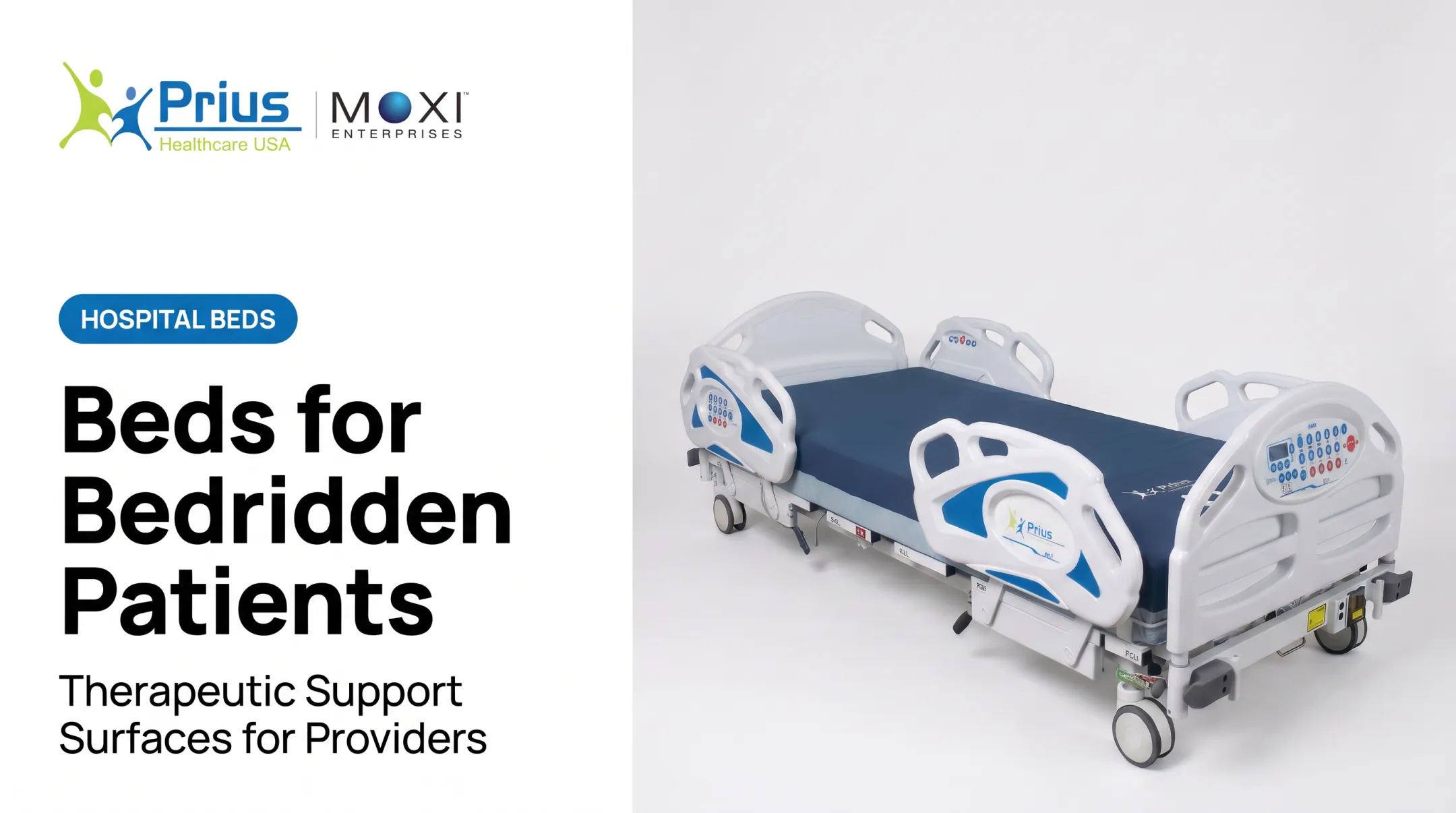
This step gets skipped more often than it should. The FDA's hospital bed entrapment guidance treats the frame, mattress, and side rails as one connected system. It flags dimensional gaps that can form between the mattress and rails as the surface wears or the bed articulates.

Confirm:
- Mattress dimensions match the bed deck exactly
- Maximum safe thickness for the specific frame
- Side-rail clearance at every bed position
- Transfer height for safe patient movement
Caregiver and Operational Fit
Operational fit matters as much as clinical fit:
- Setup time and access for repositioning
- Noise from the pump or control unit
- Maintenance needs on powered systems
- Replacement parts and warranty terms
- Technician dispatch if equipment fails
Common mistakes to avoid:
- Choosing by softness or price alone, without a risk assessment
- Placing a regular innerspring mattress on a hospital bed frame
- Stacking incompatible toppers on a therapeutic surface
- Ignoring the manufacturer's stated weight limit
- Continuing to use a mattress with a damaged or stained cover
- Treating any mattress as a substitute for repositioning or wound care
Medicare and other payer rules for Group 1, 2, and 3 support surfaces depend on documentation and clinical criteria that vary by case. Confirm diagnosis, supplier status, and the applicable policy—don't assume coverage from a product label alone.
Conclusion
The best mattress for a bedridden patient is the one matched to their pressure-injury risk, skin condition, body size, mobility, and bed frame, not necessarily the most expensive or softest option available.
Involve the patient's clinician or wound-care team in the decision. Inspect the surface regularly, follow repositioning and skin-care instructions, and replace any mattress with a compromised cover or reduced support.
Prius Healthcare USA supplies specialty hospital bed frames and therapeutic support surfaces, from foam replacement mattresses to alternating-pressure and low-air-loss systems, through a U.S. distributor and dealer network with authorized technician dispatch and warranty support.
Healthcare buyers and dealers can reach out to Prius Healthcare USA to discuss what fits their patient population and care setting. Caregivers should work with a local authorized dealer to match a surface to the patient.
Frequently Asked Questions
What is the best mattress for bedridden patients?
It depends on pressure-injury risk, mobility, existing wounds, body weight, moisture exposure, and bed compatibility. Prevention-focused foam or hybrid surfaces suit lower-risk patients, while clinically directed powered air systems fit higher-risk or fully immobile patients.
What type of mattress is best for preventing bed sores?
Pressure-redistributing foam is a common starting point, with hybrid and powered surfaces available for higher-risk patients. None of these replace repositioning, skin checks, moisture control, and a professional risk assessment.
Can a regular mattress be used on a hospital bed?
Not safely in most cases. Standard mattresses often don't match the bed's articulation, dimensions, or side-rail clearance, creating entrapment gaps and lacking the fluid protection therapeutic surfaces require.
Is memory foam good for someone who is bedridden?
Memory foam can cushion bony areas and support comfort in a fixed position. However, it may retain heat, allow sinking that complicates transfers, and come with weight-capacity limits that vary by model.
Are alternating-pressure air mattresses safe and comfortable for bedridden patients?
They can benefit high-risk patients when properly set up, but pump noise, electrical dependence, and individual patient tolerance all matter. Settings and appropriateness should come from clinician guidance, not guesswork.
How often should a mattress for a bedridden patient be replaced?
Replacement depends on manufacturer guidance, visible sagging, cover damage, contamination, or loss of therapeutic performance rather than a fixed timeline. Inspect covers regularly and replace anything compromised right away.