Introduction
Lying in one position for too long puts steady pressure on skin and tissue, and that pressure is a major driver of bedsore risk.
Lying in one position for too long puts steady pressure on skin and tissue, and that pressure is a major driver of bedsore risk.
In surveyed U.S. acute-care facilities, overall pressure-injury prevalence reached 8.97%, with 2.58% developing during the hospital stay itself, according to a 2022 study published in the Journal of Wound, Ostomy & Continence Nursing.
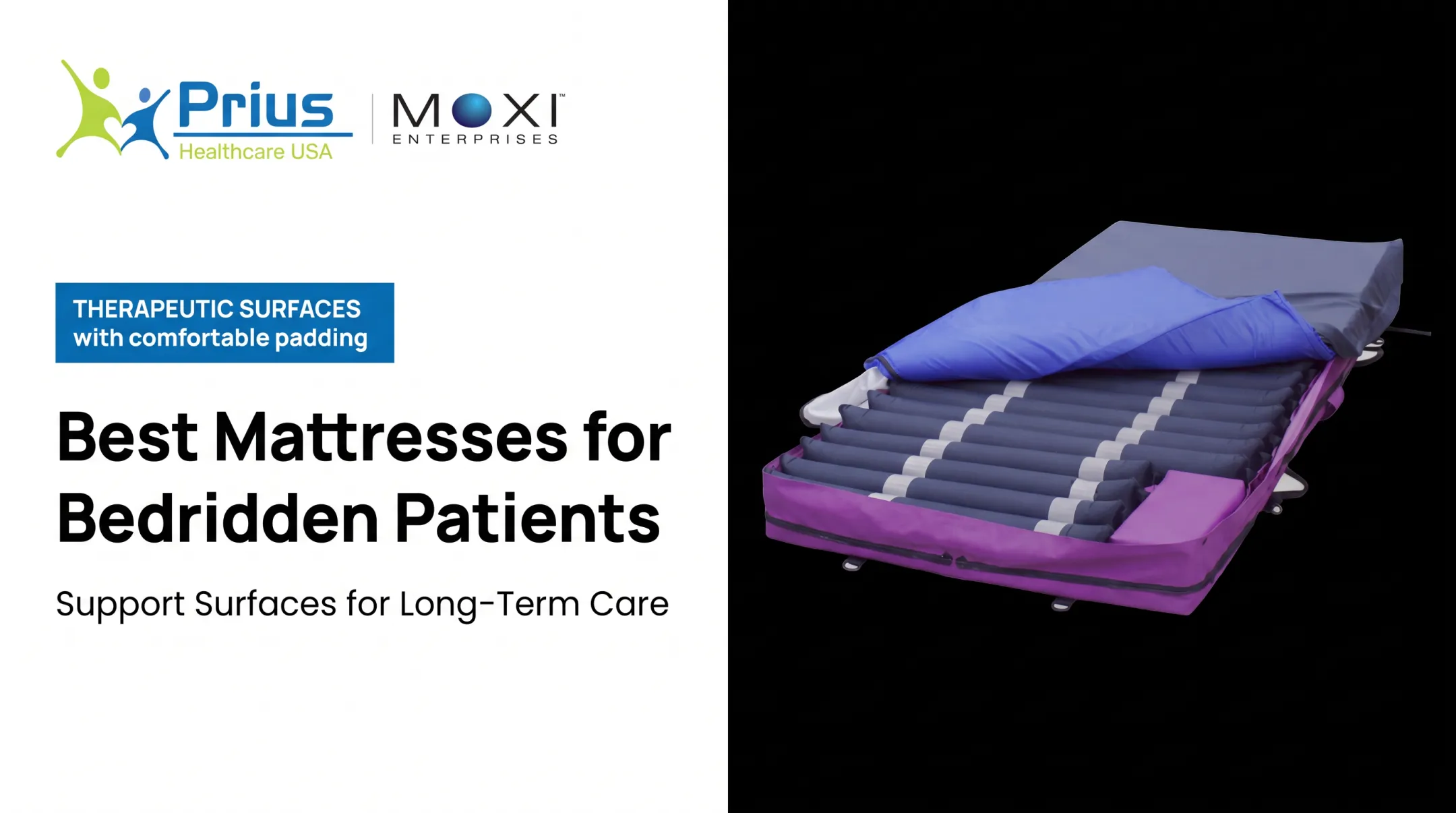
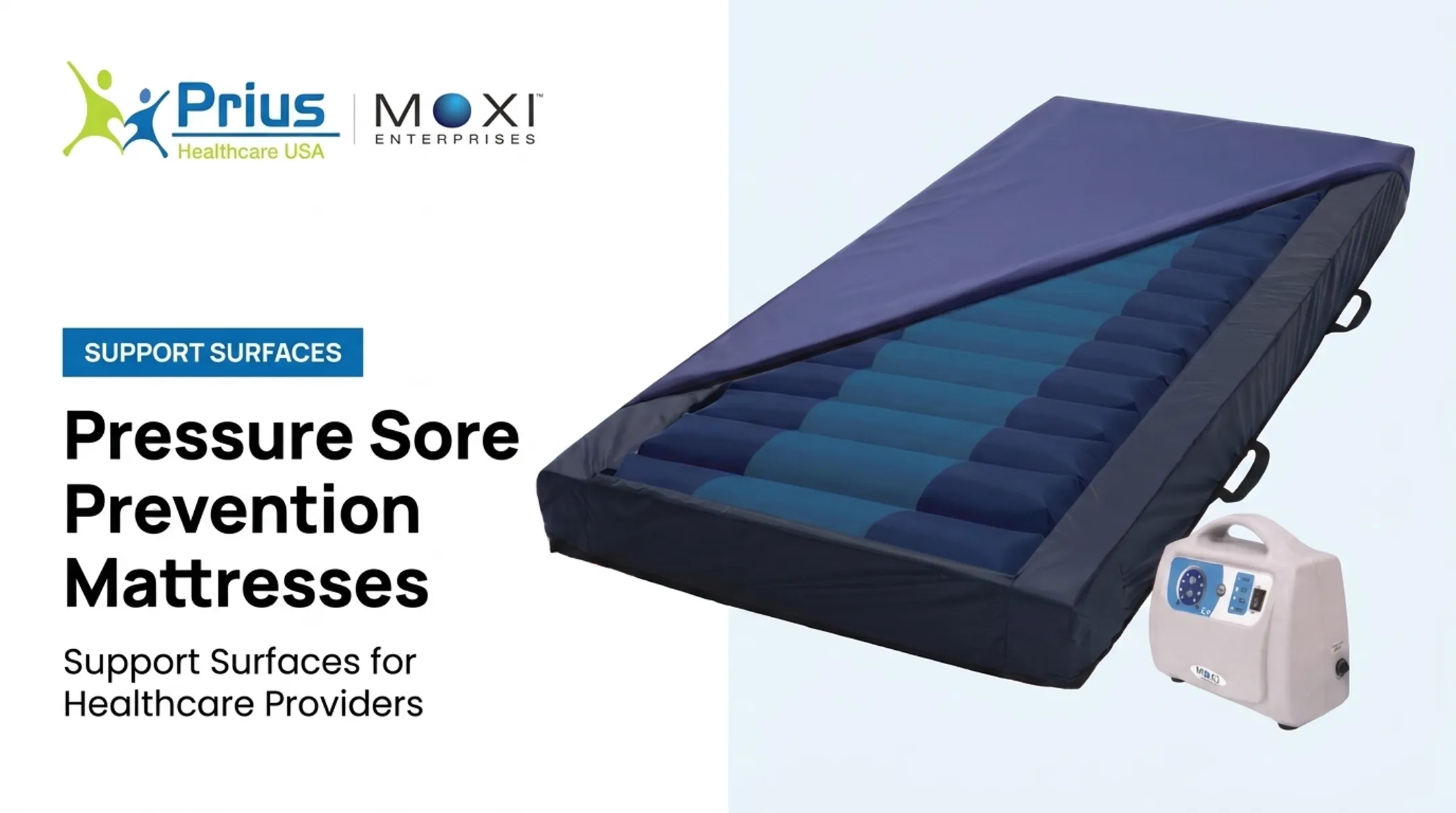
An anti-bedsore ripple mattress, often called an alternating-pressure mattress, tackles this by shifting where the body's weight lands over time. It can be set up as an overlay on an existing mattress or as a full replacement surface.
This guide covers how the air-cell system works, who tends to benefit, and what to check before buying. It also walks through safe setup, upkeep, and what these surfaces can—and can't—realistically deliver.
Key Takeaways
- Alternating air cells cycle inflation and deflation to shift pressure off any single point
- These mattresses support, not replace, repositioning, skin checks, moisture control, nutrition, and wound care
- Choose fit by patient risk, mobility, weight, bed dimensions, and care setting
- Before buying, vet covers, cleaning protocols, pump reliability, alarms, warranty, and total cost
What Is an Anti-Bedsore Ripple Mattress?
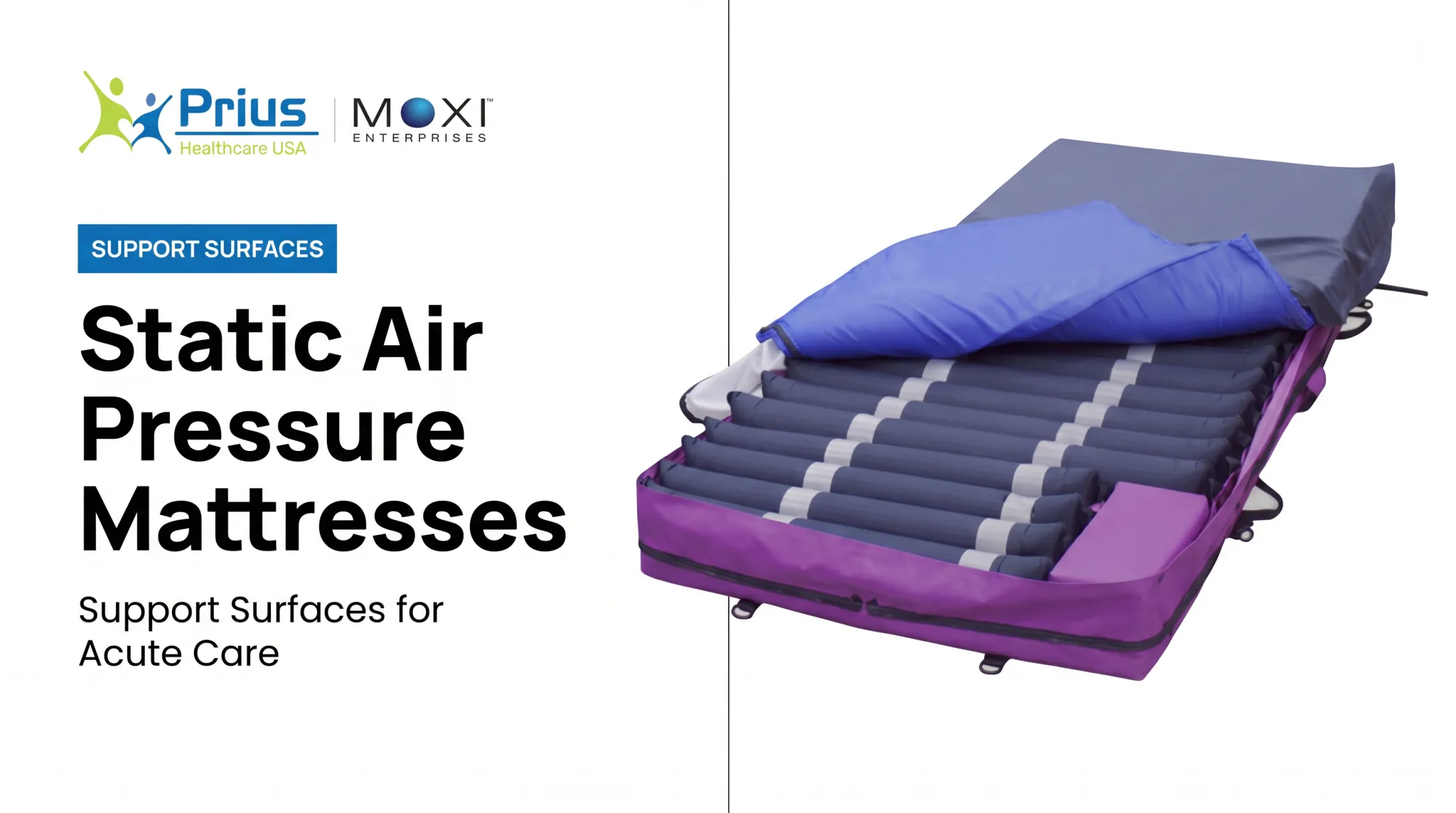
An anti-bedsore ripple mattress is an alternating-pressure support surface. Grouped air cells inflate and deflate on a timed cycle so pressure shifts away from bony areas instead of staying fixed in one spot.
That design targets pressure injuries—also called bedsores or pressure sores. These are localized damage to skin and underlying tissue, usually over a bony prominence, from sustained pressure or pressure plus shear.
The National Pressure Injury Advisory Panel (NPIAP) stages them from Stage 1 (non-blanchable redness on intact skin) through Stage 4 (full-thickness loss exposing muscle or bone), plus unstageable and deep-tissue categories. Immobility, moisture, friction, and limited sensation all raise risk—which is why clinicians specify ripple systems for prevention and treatment support.
Overlay, Replacement, or Other Surfaces
Not every ripple mattress is the same physical product:
- Ripple overlay — an air-cell pad placed on top of an existing mattress
- Replacement mattress — a full alternating-pressure surface that sits directly on the bed frame
- Static or hybrid surfaces — foam, low-air-loss, or lateral-rotation systems that redistribute pressure without the same cyclic inflation pattern
Core Components
Most ripple systems share the same basic parts:
- Air cells or tubes grouped into alternating zones
- A pump with adjustable control settings
- Connective tubing
- Straps or securing features to anchor the mattress to the bed frame
- A protective, often fluid-resistant cover
Suitability isn't a DIY decision. A qualified healthcare professional should assess pressure-injury risk, especially for patients with existing wounds, reduced sensation, or complex medical needs.
How Does an Anti-Bedsore Ripple Mattress Work?
The pump inflates one group of air cells while deflating another, then reverses the pattern on a repeating cycle. This constant shift changes which parts of the body bear weight at any given moment, reducing prolonged load on vulnerable spots like the sacrum, hips, shoulders, and heels.

Cycle timing varies by product. From Prius Healthcare USA's catalog:
- The Enhance RDX defaults to a 2:1 alternating cycle, supporting roughly 50% of the body on air at any time, with a 10-minute default cycle
- The MOXI eMotion system allows selectable 5-, 10-, 15-, or 20-minute cycles across 7 pressure levels
Adjustable Settings Aren't a Matter of Preference
Pressure and firmness controls should follow the manufacturer's instructions and the patient's clinical needs, not personal comfort alone. Several Prius systems, including the Duet and Rhythm Multi, recommend a manual hand check under the buttocks to confirm the right setting rather than relying on a chart alone.
What the Evidence Actually Shows
It's tempting to promise these surfaces prevent bedsores outright, but the data doesn't fully support that.
A 2021 Cochrane review covering 32 studies and over 9,000 participants found alternating-pressure air surfaces may reduce new pressure injuries compared to foam. The confidence interval crossed the line of no effect, and certainty was rated low. In plain terms: promising, not proven.
Power, Tubing, and the Bed System
A few setup details make a real difference:
- The pump generally needs a dependable power supply; several manufacturers recommend a stable outlet or UPS backup
- Tubing must stay unkinked and free of obstruction
- Excess linens (more than one sheet layer, per most manufacturer instructions) can blunt the therapy
- Caregivers should know the response steps for a power interruption, pump alarm, or suspected air leak before the mattress is ever needed
Benefits, Limitations, and Who May Need One
Who Tends to Benefit
Typical candidates include people with:
- Limited mobility or prolonged bed rest
- Postoperative recovery needs
- Elevated pressure-injury risk from immobility or fragile skin Benefits still vary by patient and device, so results are not automatic.
Comfort and Practical Considerations
- Reduced pressure concentration on bony areas
- Adjustable firmness for different body types and positions
- Pump noise and air-cell movement that some patients notice more than others
- Cleanable, often water-resistant covers that simplify infection control For facilities, that last point matters at scale. Products like the Duet use TPU cell construction specifically to support easier cleaning and reduce bacterial buildup, a real consideration for hospitals, skilled nursing, hospice, and rental fleet operators cycling through multiple patients.
Where These Mattresses Fall Short
Ripple mattresses aren't a fit for every situation:
- They require ongoing electricity and periodic monitoring
- Air-filled surfaces can complicate transfers or bed-exit stability if not set up correctly
- Unstable fractures, spinal cord injury, traction, gross edema, burns, or motion intolerance are common contraindications
- Not a standalone treatment for existing pressure injuries—wound care, repositioning, nutrition, and continence support still apply
A ripple mattress is an aid to care. It doesn't replace good nursing judgment, and no manufacturer can honestly guarantee prevention from equipment alone. Document the patient's risk level, skin response, and comfort regularly, and escalate any changes to a nurse, physician, or wound specialist.

How to Choose the Right Ripple Mattress
Start with the person, not the product spec sheet.
Patient and Bed Assessment First
Before comparing features, gather:
- Care setting (home, hospital, skilled nursing, hospice)
- Mobility level and pressure-injury risk category
- Existing wounds, if any
- Body weight, height, and bed frame dimensions
- Side-rail configuration and transfer method
- Anticipated duration of use
Overlay vs. Replacement
An overlay can work well on an existing, compatible bed for shorter-term or lower-acuity needs. A full replacement system better suits higher-risk patients or longer-term use, since it offers deeper cell profiles. Always confirm compatibility with the manufacturer or supplier before combining a new overlay with an existing bed frame.
Technical Features Worth Comparing
| Feature | What to Check |
|---|---|
| Cell configuration | Number of cells, cell-in-cell design for power-outage stability |
| Cycle settings | Fixed vs. selectable (such as 5/10/15/20-minute options) |
| Alarms | Low-pressure and power-failure alerts, visual and audible |
| CPR deflation | Quick-release function for emergencies |
| Weight capacity | Confirm against the specific patient, not a general average |
Concrete reference points from common replacement systems:
- Rhythm Multi — three widths; weight capacities of 600, 800, and 1,000 lb for standard through bariatric use
- Salute RDX — 18-cell, cell-in-cell build that stays inflated in a power outage, with visual and audible low-pressure and power-loss alarms
Materials and Infection Control
Look for a waterproof or fluid-resistant cover with sealed seams, ideally removable for washing. Confirm which cleaning products the manufacturer approves, since off-label disinfectants can void a warranty and damage cell material.
Buyer Pathway by Organization Type
Once clinical specs are clear, match the purchase path to how your organization deploys equipment:
- HME/DME dealers and rental fleets — prioritize durability across repeated cleaning cycles and fast replacement-part access
- Hospice and home health agencies — favor quick setup and plain-language caregiver instructions
- VA and government purchasers — request coverage codes, service terms, and volume pricing up front
Prius Healthcare USA distributes therapeutic support surfaces, including alternating-pressure systems, through a U.S. dealer network with East Coast warehousing in South Carolina.
For multi-site or rental-fleet buyers, dealer coverage, parts access, and authorized technician dispatch often matter as much as the clinical specs on the sheet.
Setup, Safety, and Maintenance
Setup Sequence
- Inspect the mattress and pump for visible damage before use
- Position the mattress on the bed frame, with the air tube toward the foot of the bed
- Secure it with the built-in straps
- Connect tubing and check for kinks or blockages
- Allow full inflation before placing the patient
- Confirm operation and set controls per the manufacturer's instructions

Routine Safety Checks
FDA guidance identifies seven potential entrapment zones in hospital bed systems, according to FDA hospital bed system guidance. Reassess the full bed setup whenever you add a mattress or overlay—not the mattress alone.
Practical checks include:
- Mattress position and bed-rail compatibility
- Tubing routed away from foot traffic and transfer paths
- Alarm function tested regularly
- Cover checked for tears, stains, or leaks
- Power cords managed to avoid trip hazards
Cleaning and Maintenance
Follow the manufacturer's infection-control instructions exactly.
Many Prius-distributed systems, including the Rhythm Multi Plus, call for wiping covers and cells with 0.1% sodium hypochlorite (about 1,000 ppm available chlorine). Skip phenol-based cleaners.
Ongoing upkeep is simple:
- Check air filters about every six months
- Replace torn covers rather than repairing them
Training and Escalation
Train staff and caregivers on controls, alarm response, and power-failure steps. Most manufacturers limit operation to trained healthcare professionals or caregivers aged 15 or older. Patients should not operate the device.
For facility and fleet buyers, service and warranty work is typically coordinated through the confirmed product’s dealer or distribution channel, including authorized technician dispatch where that channel provides it.
Conclusion
An anti-bedsore ripple mattress can be a useful powered support surface for the right patient. It is not a standalone fix or a substitute for repositioning, nutrition support, and clinician-directed wound care.
When buying, prioritize:
- Clinical suitability for the specific patient
- Correct dimensions and weight capacity
- Infection-control features
- Safe, dependable pump operation
- Realistic maintenance and after-sales service expectations
Confirm the choice with a qualified clinician and source the system through a verified supplier, especially when an existing pressure injury or complex care need is involved.
Frequently Asked Questions
What is the purpose of a ripple mattress?
Alternating air-cell inflation redistributes pressure so no single area stays under continuous load. It supports pressure-injury prevention within a broader care plan, not as a standalone treatment.
Are ripple mattresses comfortable?
Comfort varies by patient. Adjustable firmness helps, but some people notice pump noise or air-cell movement. Check skin response and comfort regularly rather than assuming one setting suits everyone.
How much does a hospital air mattress cost?
Pricing depends on configuration. U.S. retailer listings for alternating-pressure pump-and-pad overlays have shown about $128–$145; full replacement and facility-grade systems typically cost more and vary by supplier.
Who should use an anti-bedsore ripple mattress?
People with limited mobility, prolonged bed rest, or elevated pressure-injury risk are typical candidates. A qualified healthcare professional should confirm suitability for the individual patient.
Can a ripple mattress treat an existing bedsore?
It can support pressure redistribution for patients with existing wounds, but it doesn't replace wound assessment or treatment directed by a healthcare professional as part of an overall care plan.
How do you clean and maintain a ripple mattress?
Follow the manufacturer's cleaning instructions exactly, using only approved disinfectants like diluted sodium hypochlorite. Inspect covers and cells regularly for leaks or damage, and schedule technician service when needed.