Introduction
A foam mattress can support safer positioning, easier transfers, and better comfort. It cannot, on its own, stop every bed fall.
Many caregivers and clinicians search for a single product fix when a loved one or patient starts sliding, rolling, or struggling to exit the bed safely.
Older adults with balance issues, nighttime toileting needs, or cognitive changes face real risk here. So do facilities managing dozens of patients with different mobility levels.
A structured, individualized approach makes the biggest difference. One non-randomized study of 37,231 hospital patients found that implementing patient-specific bedside fall plans cut injurious falls by 34%, from 0.73 to 0.48 per 1,000 patient-days (Fall TIPS study, PMC).
That reduction came from a full care plan, not a mattress alone.
This guide covers how foam mattresses work, what features actually matter, how they stack up against floor mats and low beds, and how to implement them safely in a home or facility setting.
Key Takeaways
- Choose a fall-prevention mattress within a full fall-risk assessment, not as a standalone fix
- Check edge design, firmness, pressure care, hygiene, fit, capacity, and bed compatibility
- Pair it with safe bed height, lighting, toileting support, and clinical monitoring
- Confirm cleaning, warranty, and service terms before facility or rental-fleet purchase
What Is a Fall Prevention Foam Mattress?
A fall-prevention foam mattress sits directly on a hospital bed frame, similar to any standard mattress. What sets it apart is design for positioning, edge stability, and controlled transfers—not comfort alone.
This differs from a few related products:
- Standard residential mattress: built for comfort, not clinical positioning or transfer support
- Pressure-redistribution mattress: reduces pressure injury risk through immersion and envelopment, a separate goal from fall prevention
- Concave or scoop mattress: an individually assessed positioning option per FDA Hospital Bed Safety Workgroup guidance, without a documented fall-prevention effectiveness rate
- Bedside fall mat: placed on the floor beside the bed to cushion impact, not to support on-bed positioning
"Fall prevention" covers three different goals:
- Keeping a person from rolling off the bed
- Helping them transfer more safely
- Reducing injury severity if a fall still happens
A single mattress design rarely does all three equally well.
How Mattress Design Supports Safer Positioning
A stable, appropriately firm surface helps a patient reposition, sit at the edge of the bed, or prepare for a standing transfer without sinking excessively or sliding sideways. Prius Healthcare USA's MOXI Select Protect line, for example, uses a defined mattress perimeter to support centering and safer transfers without depending on confining side rails.
Raised or reinforced perimeter zones can help some patients stay centered during sleep. That said, edge design has real limits:
- Overly aggressive contouring can make bed exit harder, not easier
- Raised edges must never create a gap that risks head or neck entrapment
- Perimeter firmness needs to match the specific bed frame, rails, and assist devices in use
Mattress performance can't be judged in isolation. It has to be matched to the bed height, rail configuration, and the patient's documented mobility plan. This is why clinical guidance treats the bed frame, mattress, and rails as a single system rather than separate parts.
Balancing Fall Prevention With Comfort and Skin Protection
Many patients need a surface that does double duty: reduce fall risk and redistribute pressure, particularly for anyone with limited mobility or extended time in bed.
Three properties drive that pressure-redistribution performance:
- Immersion: how far the body sinks into the surface
- Envelopment: how well the foam conforms around bony prominences
- Shear and moisture control: friction and microclimate factors that affect skin integrity over time
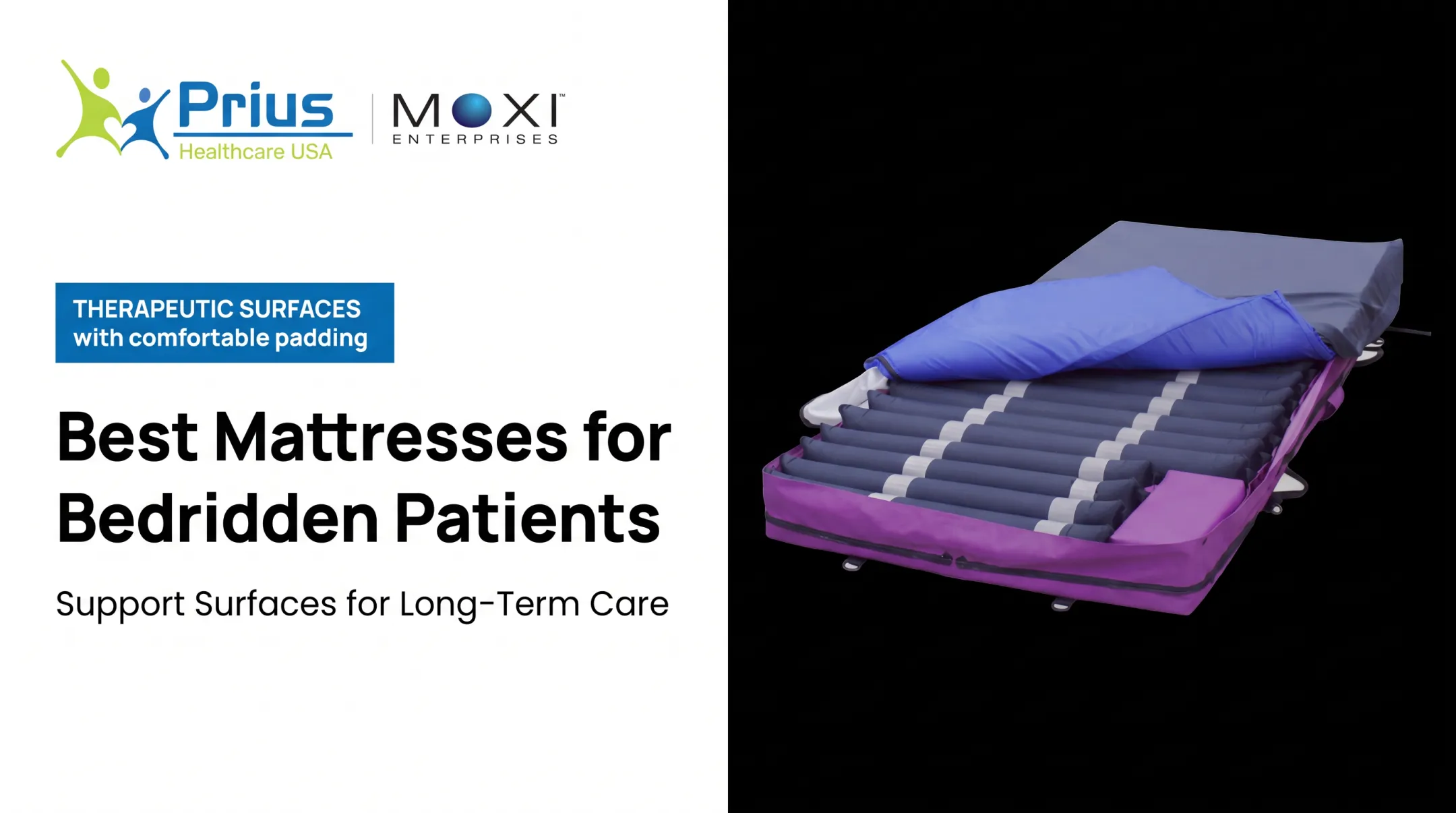
Prius therapeutic foam mattresses use high-density, high-resiliency foam and are rated for stage 1 through 4 ulcer management alongside a facility's pressure-area protocol.
Watch the trade-off: excessive softness or a poorly fitted edge can make standing, repositioning, and caregiver-assisted transfers harder. Compare pressure-care claims against manufacturer specifications and weight-capacity data, not marketing copy alone.
How to Choose a Fall Prevention Foam Mattress
Start With a Patient-Specific Assessment
No mattress works for every patient. The right firmness, perimeter design, and bed height depend entirely on who's using it.
Before selecting a surface, assess:
- Fall history and transfer ability
- Balance, cognition, and agitation levels
- Sleep movement patterns and continence needs
- Skin condition and body size
- Level of caregiver assistance required
A patient who transfers independently needs a very different setup than one requiring full assistance. A firm perimeter that helps one person push up to sit might trap or confuse another.
Involve an occupational or physical therapist, nurse, or qualified equipment specialist before selecting equipment for a high-risk patient. Bed-safety frameworks used by the FDA's Hospital Bed Safety Workgroup consistently point back to individualized, case-by-case decisions rather than one-size-fits-all rules.
Evaluate Construction and Performance Features
Foam type, layering, and edge support all affect how a mattress performs day to day. Here's a quick comparison across common configurations:
| Feature | Single-layer foam | Dual-layer (e.g., RLX) | Tri-layer with zoned comfort (e.g., VLX, SLX) |
|---|---|---|---|
| Positioning support | Basic | Moderate | Higher, with heel/foot zoning |
| Edge/transfer support | Limited | Firm side rails available | Firm side rails, custom raised edge options |
| Typical weight capacity | Varies | Up to 350 lb | Up to 350-500 lb depending on model |
| Best fit | Lower-risk patients | Moderate transfer needs | Higher-acuity or prolonged bed rest |
A firm, supportive edge can genuinely help with sitting and transfers. A heavily contoured perimeter can just as easily interfere with bed exit or caregiver handling, so more isn't automatically better.
Don't take pressure-redistribution or durability claims at face value. Request the underlying documentation:
- Flammability certification (16 CFR Part 1632 and 1633 compliance, for example)
- Independent product testing or certification documentation, such as an SGS product certification mark tied to the specific mattress, not just a manufacturer's general ISO 13485 quality-system certificate
- HCPCS coding for insurance and billing purposes
Check Fit, Compatibility, and Safety
Mattress length, width, thickness, and weight capacity all need to match the bed frame exactly. This isn't a minor detail.
The FDA treats the bed frame, mattress, rails, and any accessories as one connected system. Gap limits are specific: less than 120 mm (4¾ inches) between the rail and a compressed mattress, and less than 60 mm (2⅜ inches) beneath the rail end (FDA Hospital Bed System Guidance).
A few practical checks before purchase or installation:
- Confirm mattress dimensions match the bed deck exactly, with no gaps at the sides or foot
- Verify weight capacity against the patient's actual body weight, not just a rounded estimate
- Check that bed rails and assist handles remain properly positioned once the new mattress is installed
- Never add a topper, pad, wedge, or overlay without confirming it doesn't change the effective mattress height

That last point matters more than it sounds. An incompatible topper can compromise an otherwise safe bed system. Always verify compatibility against your facility's existing protocols and inspection procedures before an order goes through.
Review Hygiene, Durability, and Lifecycle Requirements
Rental fleets and healthcare facilities put mattresses through repeated cleaning cycles, transport, and redeployment across many patients. That wear adds up.
Look for:
- Fluid-resistant, cleanable covers with protected seams and zippers
- Clear laundering limits for Prius covers: weekly damp cloth and mild detergent; machine washable and thermally disinfectable; no phenol-based cleaners
- Prius foam-core warranties: 7 years (VLX), 6 (RLX), 5 (DLX), 3 (ALX); covers: 1 year
- Foam inspection every 3 months, with replacement once compression exceeds 25%
If facilities, HME/DME dealers, or rental operators are sourcing therapeutic support surfaces, it's worth confirming what distribution and service support actually comes with the purchase. Prius Healthcare USA supports this kind of sourcing through a U.S. distributor network, which matters most when lead times or replacement parts become urgent.
Foam Mattresses Compared With Other Fall-Prevention Measures
Foam Mattress vs. Bedside Fall Mat
A foam mattress sits on the bed and addresses support, positioning, and transfer safety. A fall mat sits on the floor and cushions a landing if a fall happens anyway. These solve different problems.
Floor mats do reduce impact in controlled testing. But real-world use introduces new risks.
One clinical safety study observed 15 participants approaching and exiting a hospital bed. 8 of 10 who used a 1-inch beveled mat had trouble exiting when their heel caught the mat's edge. Mobility aids like walkers also became unstable on the surface (floor mat hazard study, PubMed).

So which is "better"? It depends on:
- The patient's typical fall pattern (rolling vs. attempting to stand)
- Current mobility and gait stability
- Room layout and flooring type
- Bed height and available supervision
Foam Mattress vs. Low or Floor-Level Bed
Lowering the bed shortens the distance of a potential fall. It can also make getting in and out of bed harder, which sometimes increases risk rather than reducing it.
Research on ward-wide low-bed policies has generally found no significant drop in overall falls or injuries. Separate biomechanical research shows that lower bed heights demand more hip torque and effort during transfers.
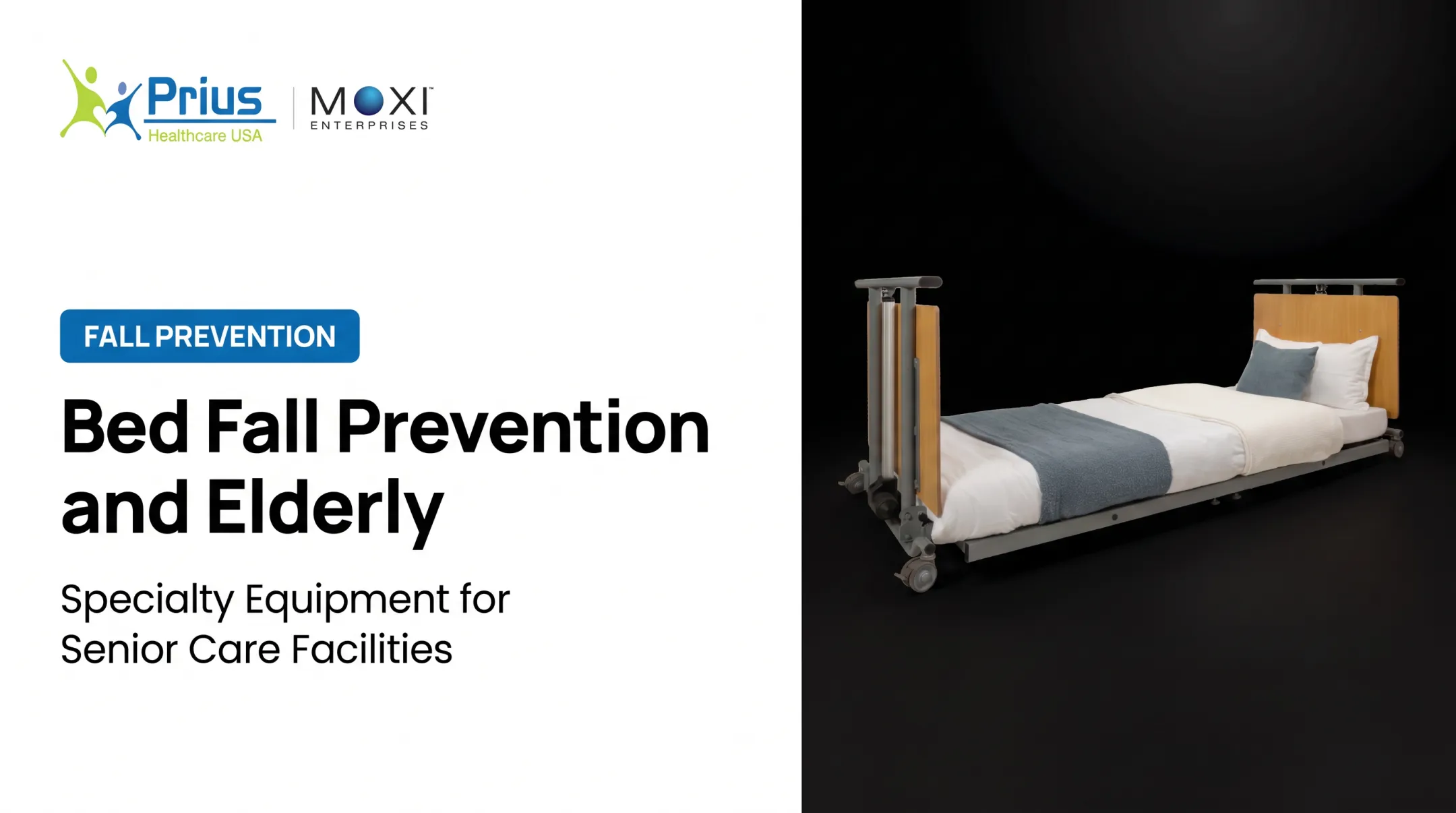
Bed height should be set based on the individual, not applied as a blanket rule. Options like the Descend Ultra-Low Floor Bed, which adjusts electrically from 2.7 inches to 25 inches and supports up to 375 lb, allow height to be tailored per patient rather than fixed at the lowest possible setting for everyone.
Foam Mattress vs. Rails, Wedges, and Monitoring Tools
Rails and assist bars can genuinely help some patients with transfers. They can also introduce climbing, entrapment, or false-confidence risks when used without proper assessment.
| Intervention | Primary purpose | Key limitation |
|---|---|---|
| Foam mattress | Positioning, edge support, transfer aid | Doesn't address room layout or supervision |
| Bedside mat | Cushions a fall impact | Can create a trip or instability hazard |
| Rails/assist bars | Support during repositioning | Entrapment or climbing risk if misused |
| Bed-exit alarms | Alert staff to movement | Doesn't prevent the fall itself |
| Low bed | Reduces fall distance | Can complicate entry/exit |
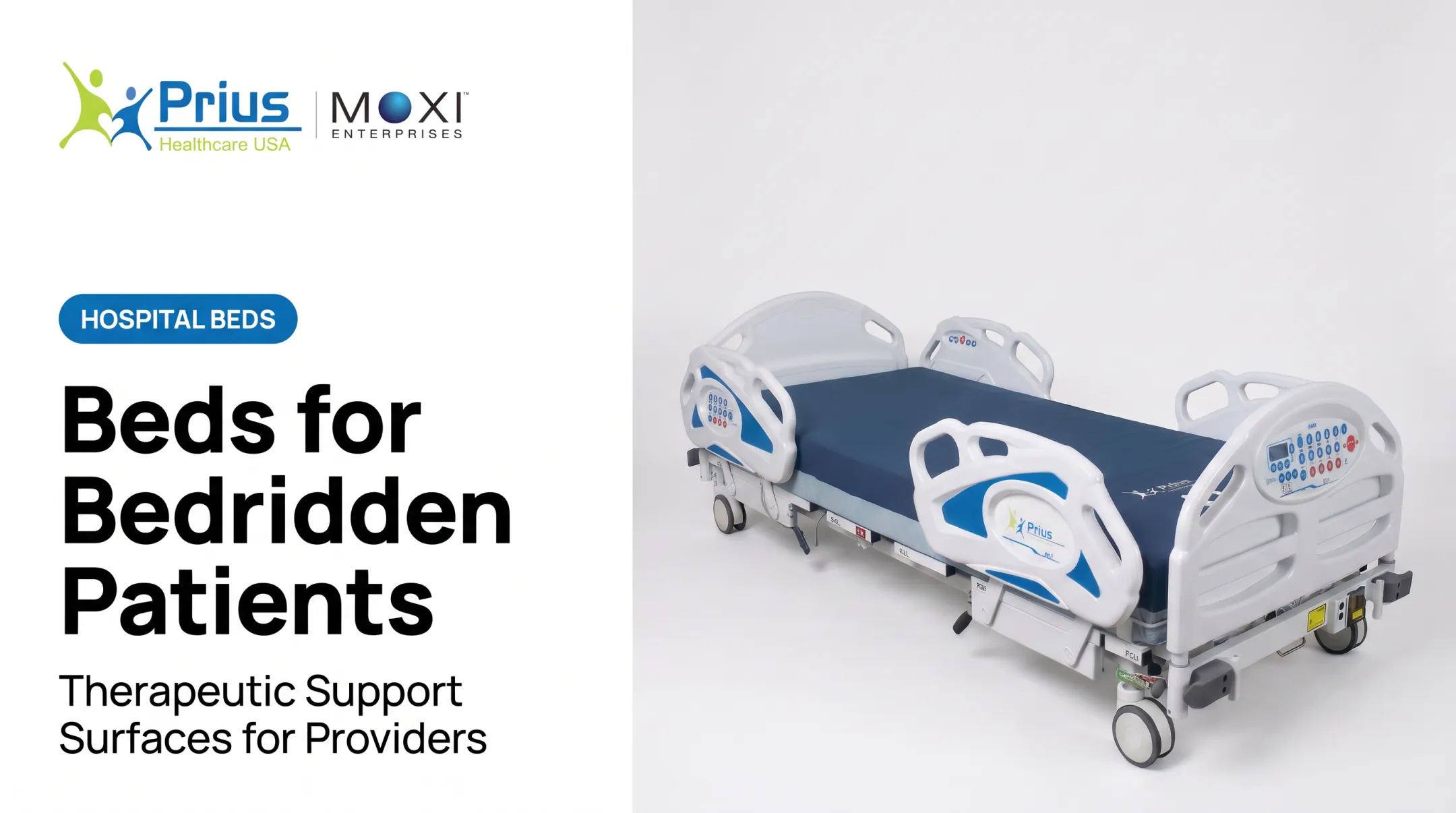
Wedges, bolsters, bed-exit alarms, under-bed lighting, and scheduled rounding all work best as complementary layers, not replacements for a proper assessment. Features like an integrated bed-exit alarm paired with automatic under-bed floor lighting can alert staff earlier without restricting the patient.
Building a Layered Fall-Prevention Plan
A mattress is one piece of a much larger plan. Effective programs also address:
- Medication review for side effects like dizziness
- Strength and balance support
- Proper footwear and clear, well-lit pathways
- Call-bell access, hydration, and toileting schedules
- Caregiver education on transfer technique
Document the intervention, how the patient responded, and any new hazards that show up afterward. And if a fall does result in injury or concerning symptoms, get medical evaluation promptly. Product guidance is never a substitute for professional clinical judgment.
Safe Implementation, Maintenance, and Procurement
Setting Up the Mattress Correctly
Before a patient ever uses the new surface, run through a basic setup checklist:
- Confirm correct orientation and secure placement on a compatible frame
- Check for gaps between the mattress and rails or bed deck
- Inspect the cover for tears, stains, or seam damage
- Verify bed height matches the patient's transfer plan
- Test the transfer surface with staff before the patient uses it

Confirm the patient can actually reach call devices and controls, and that the path to the bathroom or bedside commode is clear and well lit. Document baseline comfort, transfer ability, and any skin observations so the care team can judge whether the setup is working.
Maintaining and Inspecting the Support Surface
Regular inspection catches problems before they become safety issues. Check routinely for:
- Compression, sagging, or loss of edge support
- Tears, fluid penetration, or seam damage
- Odor or visible cover failure
Follow the manufacturer's cleaning and disinfection instructions exactly. Pull equipment out of service the moment it can't be safely cleaned or repaired.
Prius Healthcare USA warranty terms require inspection every three months and immediate replacement once foam compression passes 25%. Support includes authorized technician dispatch and warranty coordination; confirm which services apply to your product and purchasing channel.
Matching Procurement to the Care Setting
Nursing homes, VA facilities, hospice agencies, dealers, and rental fleets don't all have the same requirements. Documentation, delivery timelines, cleaning protocols, and training needs vary significantly by setting.
Before placing an order, ask suppliers about:
- Lead times and distributor availability
- Training resources for staff
- Service escalation and warranty terms
- Product documentation and testing records
If you're a healthcare facility, HME/DME dealer, or equipment partner evaluating sourcing options, Prius Healthcare USA can be reached at info@priushc.com or 813-854-5464 for product and sourcing questions. Keep in mind this covers product and distribution support, not direct clinical assessment or insurance approval.
Frequently Asked Questions
Does Medicare pay for fall prevention?
Medicare coverage depends on the specific equipment, documented medical necessity, diagnosis, and supplier status rather than fall prevention alone. Confirm current rules directly with Medicare, the patient's plan, their clinician, and the equipment supplier before purchasing.
What are some ways to prevent elderly people from falling out of bed?
Start with an individualized risk assessment, then address bed height, a compatible support surface, adequate lighting, and accessible toileting. Clear pathways, mobility assistance, and careful evaluation of rails or floor mats complete the approach.
What is the best fall mat for elderly people?
The right mat depends on bed height, flooring, patient mobility, thickness, and edge design. It also must not create a trip hazard for that person. Mats help with impact protection, but they don't replace a fall-prevention mattress or care plan.
What are the 5 P's for fall prevention?
Commonly referenced categories include pain, positioning, placement of belongings, personal needs like toileting, and safety of the environment. Terminology varies by facility, so always follow your organization's approved rounding protocol.